
What If I Was Injured by a Distracted Driver?
Distracted driving is against the law in Georgia, which has had a hands-free law in place since 2018. This law makes it illegal to use a cell phone in any way in your hand or supported by your body while you’re behind the wheel of a car: even if stopped at a light. If someone was distracted by their phone and caused an accident, talk to a personal injury lawyer in Augusta, GA about your rights and how to prosecute them under Georgia law.
To get compensation from someone, you have to show that they are liable for what happened to you. Liability is determined by showing negligence. Negligence happens when someone has a duty of care towards you and fails in that duty.

If you’ve been injured by someone else’s negligence in an accident, you have the right to recover losses and damages, including your lost wages if you’ve been prevented from going to work as normal. An Augusta, GA personal injury lawyer can help you figure what wages you’ve lost accurately and make sure you get everything you are owed from the liable party.
To get compensation, you will need to properly calculate your lost wages and be able to show that your time away from work was caused directly by the injuries you sustained in the accident.

Why Should I Have a Lawyer Help My Adoption Case?
The legal process involved in adopting a child requires strict compliance with Georgia law. Whether you are adopting a stepchild, a relative, or a child through an agency, legal counsel from an adoption lawyer in Augusta, GA, can help protect your rights and ensure the adoption proceeds smoothly. At Davis, Chapman, & Wilder, we are prepared to help you understand every step and to advocate for your family.
Understanding Adoption Requirements
Georgia has detailed legal requirements for adopting a child, and these requirements vary depending on the type of adoption, the child’s age, and the relationship between the child and the prospective parent. You must meet eligibility standards, follow appropriate procedures for terminating parental rights, and complete all the required home studies and background checks.

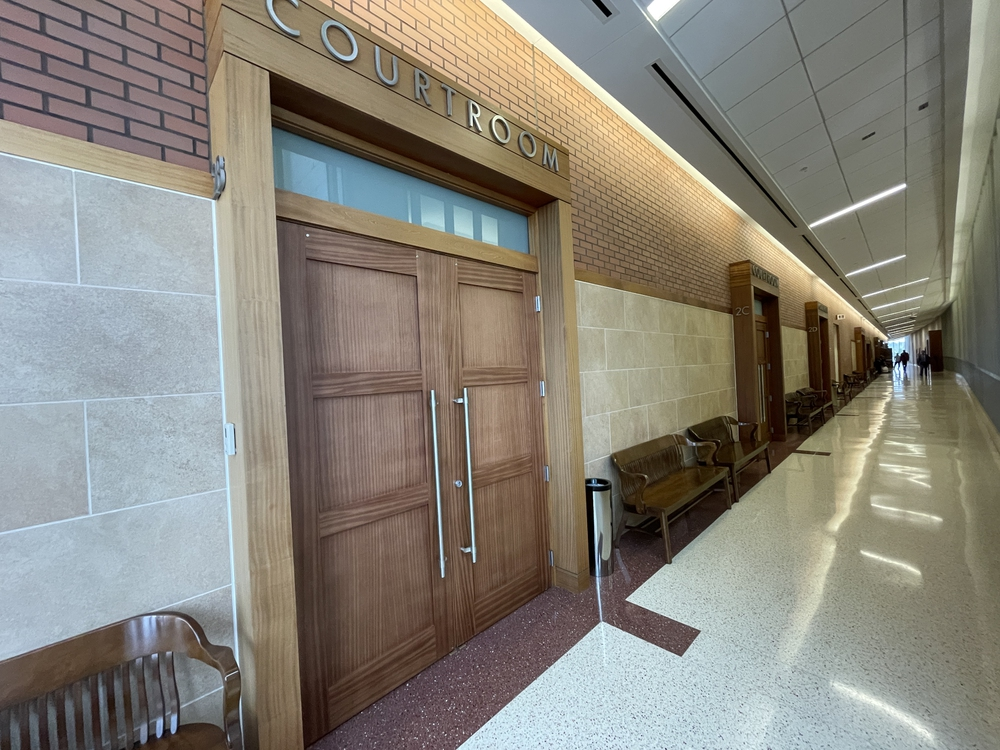
In Georgia, the criminal justice system treats most minors under the age of 17 as juveniles. However, in specific cases involving serious offenses, the law allows minors to be prosecuted as adults. At Davis, Chapman, & Wilder, we help families understand how Georgia law applies when a juvenile is accused of a felony or a violent crime. The decision to move a minor’s case into adult court carries long-term consequences and is governed by clear legal procedures that an experienced juvenile lawyer in Augusta, GA, can help clients navigate.
Georgia law allows minors to be tried as adults under several circumstances. The legal basis depends on the age of the minor and the nature of the charge. Under the Official Code of Georgia Annotated, certain offenses automatically fall under the jurisdiction of the Superior Court if the child is at least 13 years old and the charge involves a more serious crime such as murder, rape, armed robbery with a firearm, and other violent felonies.
What Disqualifies You From Adopting in Georgia?
Choosing to adopt a child is one of the biggest decisions you’ll ever make. However, there are complex rules that aim to safeguard the child, which can make the application process difficult. A local adoption attorney in Augusta, GA can provide invaluable guidance, helping you present a strong case and avoid disqualification where possible.
Eligibility Rules for Adoption in Georgia
In Georgia, there are multiple possible routes to adopt a child, including public adoptions through the Georgia Department of Family and Children Services, agency adoptions, and privately organized adoptions. Regardless of the option you choose, there are basic eligibility criteria that you must fulfill:
- Aged at least 21, or married and living with your spouse
- Resident of Georgia when the petition is filed
- At least 10 years older than the child (unless you are a stepparent)
- Physically, mentally, and financially able to have permanent custody
In addition to fulfilling the above criteria, every person who wants to adopt must undergo a full evaluation. During the evaluation process, checks will be carried out to ascertain whether there are any factors that would make the potential parents unsuitable.


If you’re being prosecuted for a crime in Augusta, GA, the classification is significant. A felony carries heavier penalties, including higher fines and a longer potential jail sentence. In contrast, a misdemeanor carries a maximum sentence of 12 months in jail and a fine of up to $1,000. A criminal defense lawyer can provide personalized advice, including whether the charges will be a felony or misdemeanor and whether they may be reduced.
Title 16 of the Georgia Code determines whether a crime is classified as a felony or misdemeanor. However, some crimes known as “wobblers” can be charged as either, depending on the circumstances. Any aggravating factors will be taken into account, together with your personal history.
The prosecutor has discretion in deciding whether to bring felony or misdemeanor charges. An experienced attorney may be able to negotiate with the prosecutor to secure a lower misdemeanor charge.
Plea Bargain
A plea bargain is a formal agreement between the defense and the prosecutor. In exchange for agreeing to plead guilty without going to trial, the prosecutor may agree to reduce the charges. This means a felony charge may be lowered to a misdemeanor.
A prosecutor may not always initially agree to reduce a felony to a misdemeanor. Other options include reducing the sentence but not the charge, or withholding aggravating facts to make the case more favorable to the defense. Successfully securing a plea bargain that reduces a felony to a misdemeanor requires an attorney with strong negotiation skills. A positive relationship with the prosecutor can also be beneficial.
Changes to Sentencing
In some cases, the charges remain classified as a felony but the judge may issue a more lenient sentence. This is only possible if you meet certain criteria and the felony is less than 10 years in jail. When this occurs, a felony conviction will still be recorded but the sentence follows the misdemeanor guidelines. The precedent for this was established in Ramsey v Powell (1979).
Not all felonies qualify for this type of sentence reduction. You will also have a greater chance of a felony being reduced if this is your first offense.
How Can a Criminal Defense Lawyer Help?
Your lawyer will advocate on your behalf, leveraging their knowledge of the legal system to negotiate for a felony charge reduction. Even if the prosecutor does not agree to reduce the charge, an experienced attorney may be able to get the felony dismissed at trial. For example, a charge of first-degree homicide by vehicle may be reduced to a lesser offense, such as distracted driving.
The negotiating skills and experience of your attorney can be pivotal in determining the final charges you face. It’s strongly advisable to appoint an attorney at the earliest opportunity.
We understand the impact that criminal charges can have on your life. By providing compassionate and dedicated legal counsel, we can help you to achieve the best possible outcome. Contact us today at Davis, Chapman, & Wilder in Augusta, GA to learn more.

Step 1: Document the Incident
Documenting includes writing down everything you can remember about the situation: date, time, location, and statements made by daycare staff, witnesses, or other parents. The more specific your record, the more helpful it is as evidence in your case. If your child was physically injured, take photographs of the surroundings and the child’s injury immediately.
Also, be sure to collect any relevant medical records. If your child required medical attention, these records will not only confirm the severity of the injury but also tie the harm to the daycare’s negligence. The more detailed your documentation, the stronger your case will be.
Step 2: Establishing Duty of Care
Daycare centers are responsible for ensuring the safety and well-being of the children in their care. This includes providing appropriate supervision, maintaining safe facilities, and ensuring that staff members are properly trained. In your case, you’ll need to show that the daycare breached this duty by failing to meet these expectations.
Most daycares are legally required to follow specific safety standards set by both state and federal laws. These laws can often provide an easy reference point for demonstrating that the daycare’s actions—or lack thereof—were negligent.
Step 3: Proving Breach of Duty
Breach of duty is usually the most difficult part of the case. You’ll need to show that the daycare failed to act in a way that a reasonable daycare provider would have under similar circumstances. This could include leaving your child unsupervised, failing to check safety equipment, or allowing unsafe items within reach.
Step 4: Causation and Damages
Causation means the daycare’s negligence directly caused harm to your child. You must prove to the court that if the daycare had followed proper procedures, the injury would not have occurred.
You must also prove the damages that resulted from the injury, which can be both economic and non-economic. Economic damages include medical bills, therapy costs, and lost wages if you had to take time off work. Non-economic damages refer to the emotional distress, pain, and suffering your child endured because of the daycare’s actions. Collecting all relevant bills, records, and expert opinions will help demonstrate the full extent of the damages your child has suffered.
Step 5: Attempt to Settle
The daycare’s insurance company or legal team may offer a settlement to avoid the costs and publicity of a trial. Settlements can be beneficial, as they allow for faster resolution, but it’s important to evaluate whether the offer is fair. If the settlement amount does not adequately cover the damages your child has suffered, you can reject the offer and proceed with the lawsuit.
Step 6: Filing the Lawsuit
If a settlement cannot be reached, the next step is to file a lawsuit. This involves preparing and submitting a formal complaint to the court. Your complaint will include the specific allegations against the daycare, the damages you are seeking, and the legal basis for the claim. Once filed, the daycare will have a certain period to respond to the complaint. They may either admit to the allegations or file a defense, and at this point, both parties will begin gathering evidence and preparing for trial.
Step 7: Judgment or Settlement After Trial
After the trial, the judge or jury will issue a verdict. If you win the case, the daycare will be required to compensate you for the damages, which could include medical expenses, emotional damages, and other costs related to the injury. It’s also possible for a settlement to occur even after the trial begins, allowing the case to be resolved without further proceedings.
If you do not win the case, you might have the option to appeal the decision. Appeals typically focus on legal errors made during the trial, so it’s important to discuss your options with your lawyer. While the legal process can be lengthy and complex, having a solid case and expert legal representation increases your chances of success.
Contact us online or give us a call today to schedule a legal consultation with our family law attorneys in Augusta, GA.
In 2015, the landmark Supreme Court ruling on Obergefell v. Hodges established that same-sex couples throughout the United States had the right to marry. This decision, however, did not directly address same-sex parenting or adoption, so some confusion remains.
This is especially true in Georgia. Georgia’s state legislature has not yet removed statute 19-3-3.1, which prohibits same-sex marriages. Although the state cannot enforce this unconstitutional law, the mere fact it remains may serve as a sign that same-sex couples can still face discrimination and other challenges on their way to parenthood.
Same-Sex Couples May Face Extra Challenges on Their Path to Adoption
For many people, marriage and parenthood go hand-in-hand. Studies have found that same-sex couples have roughly the same desire to raise children as other people. Indeed, a recent survey from the Williams Institute at UCLA School of Law found that roughly 41% of married same-sex couples under the age of 50 hoped to become parents.
The survey found roughly the same desire to become parents among other populations:
- 39% of cisgender men
- 41% of cisgender women
- 43% of transgender respondents
Same-sex couples may share the same desire to become parents as other people, but they often face extra hurdles. These are rooted in finances, legal ambiguity and cultural biases:
- As the Williams Institute noted, same-sex couples tend to prefer biological pathways to parenthood. These include options like insemination and surrogacy. Approximately, 61% of survey respondents stated they preferred these pathways. Only 36% preferred adoption. However, the biological methods tend to be expensive, so the majority of same-sex couples (51%) say they plan to pursue adoption.
- The legal challenges to same-sex adoption are more complex. Georgia’s laws do not prevent same-sex couples from adopting. However, they do not outlaw the biased policies shared by many adoption agencies. In fact, the Family Equality Council notes that most states are “silent” on the issues of LGBTQ+ people becoming adoptive parents. This silence can leave same-sex couples “vulnerable to the potential bias of individual agencies, child welfare professionals, and family court judges.”
- This takes us to the biases held by these individual agencies, professionals and judges. When some adoption agencies may refuse to work with same-sex couples, the couples tend to have fewer options. They may also have to work harder than other people to prove their fitness as potential parents.
These challenges are not fair to same-sex couples. Unfortunately, they are the reality at this time. Until Georgia’s lawmakers decide to help out, same-sex couples will continue to face extra hurdles throughout the adoption process.
Things Are Better Than They Were
Despite these extra challenges, it may be encouraging to acknowledge that the laws are friendlier to same-sex couples now than they were a decade back.
- Nothing in Georgia’s laws prohibit LGBTQ+ individuals from pursuing adoption.
- State law says that only married couples can adopt jointly. Prior to 2015, this prevented same-sex couples from pursuing joint adoption. However, the Supreme Court case that recognized same-sex marriages nationwide paved the way for married same-sex couples in Georgia to seek joint adoption.
- Georgia also permits any married person to pursue stepparent adoption. This provides another pathway for same-sex couples to both become legal parents. In cases where one spouse is the biological parent or has already adopted, the other spouse can pursue stepparent adoption to secure the full legal rights afforded to a child’s parent.
Georgia still has a long way to go toward equal rights and opportunities. Still, the existing pathways make same-sex adoptions possible.
Same-Sex Couples Can Benefit from Experienced Guidance
The adoption process can be stressful and trying for any potential parent. It can be even more stressful for same-sex couples who face uncooperative agencies and biased authorities.
Accordingly, it may be helpful for same-sex couples to seek legal guidance. Attorneys with adoption experience can help prospective parents navigate the system efficiently. They can prepare couples for the challenges they are likely to encounter. And couples prepared to meet these challenges are more likely to overcome them.

Most American parents rely on daycare facilities to provide care for their children while the parents are at work. The sad reality is that many childcare facilities do not provide adequate care and protection for our beloved children. The result is that kids suffer serious injuries and illnesses.
If your child has been injured or contracted an illness at daycare, you have options.
Can You Report a Daycare for Negligence in Georgia?
If your child has suffered harm due to a liable caregiver in a Georgia daycare, you have the right to take legal action. A daycare can be reported for negligence when there is a clear breach of duty, meaning the facility or staff failed to provide reasonable care, resulting in injury or harm to a child. This includes cases of neglect, physical abuse, unsanitary conditions, and improper supervision.
One serious form of negligence is overmedication, where a caregiver administers the wrong dosage or unnecessary medication, leading to adverse health effects. In Georgia, failing to follow proper medication guidelines can make the daycare liable for medical expenses and other damages.
To report negligence or a breach of duty, parents should document the incident, gather medical records, and file a complaint with the appropriate state agency. Holding a liable caregiver accountable not only protects your child but also prevents similar harm to others.
Childcare Injury Statistics
Throughout the country, the statistics are extremely difficult to summarize, as many states have not compiled or reported child injury statistics, and there is no uniformity between the states on how this information is gathered or organized.
However, Georgia has been a forerunner of data compilation among the states. A 2012 paper by Dr. John Carter analyzes medical data regarding all injured children and compares is to childcare accident and injury data from the Georgia Department of Early Care and Learning (DECAL).
Both studies illustrate that children are injured much less often in childcare facilities than they are injured in their own homes, suggesting that, in general, childcare facilities are safer for children than their own homes. Of course, childcare facilities are still liable for any injuries or other damages resulting from their negligence or intentionally harmful actions.
Common Causes of Injuries
The most common causes of injuries to children include:
- Falls: Children fall, often because of unsafe conditions on a premises or failure to keep an area properly clean and free from toys and other items on the floor. Poorly kept stairways and playgrounds are other common causes of falls.
- Falling items: When bookshelves, tables, chairs and other items tip and fall on children, the results usually involve fractures, contusions, abrasions and possible scarring.
- Unsafe doorways: Although there are regulations for how to keep doorways safe, many daycare facilities do not comply, and children get their fingers crushed or suffer other injuries in closing doorways.
- Burns: Soups, daycare providers’ coffee and other hot liquids can cause serious burn injuries. These injuries should not be taken lightly, as they can be extremely painful and result in nerve damage and lifelong scarring.
- Poison: In addition to unsafe storage of dangerous chemicals, there are numerous allergies and potential illness causing foods. Far too often, childcare providers fail to use appropriate caution to make sure the children they are caring for are not exposed to dangerous foods and chemicals.
- Malnutrition: In addition to letting kids be exposed to dangerous chemicals, many daycare facilities fail to provide adequate nutrition, leading to dehydration and other serious problems due to lack of adequate nutrients.
- Abuse: Sadly, there are instances in which daycare providers commit acts of abuse against the children they are supposed to be caring for. In addition to the internal injuries that might not be uncovered easily, children can suffer fractures and broken bones, contusions, burn injuries and severe emotional distress.
This is a short sample of the causes of injuries to children in daycare facilities. If your child has suffered any type of injury, illness or emotional distress as a result of negligence on the part of the facility, talk with an experienced personal injury lawyer. This negligence can include letting the child wander off, play with dangerous or age-inappropriate toys, be exposed to dangerous chemicals or other unsafe situations.
Bringing a Legal Claim Against a Day Care Facility
A personal injury claim against a childcare facility falls under what is called tort law. In tort law, there are four elements that make up a successful claim:
- Duty: The defendant must have some kind of duty in a tort claim. In the case of childcare facility claims, the duty is to provide a safe environment and protect the child from injury.
- Breach: The defendant has to breach the duty. In childcare facility cases, this can mean failure to maintain a safe environment, allowing a child to wander off from the facility, allowing a child to access dangerous chemicals or other similar examples of breaching the facility’s duties.
- Harm: The plaintiff must have suffered some kind of real harm for a tort claim. For daycare cases, this means the child must have been injured or contracted some kind of illness.
- Proximate cause: The harm that the plaintiff suffers must be caused by the defendant’s breach of duty. If a child falls down the stairs and then catches a cold the next day, it would be hard to establish proximate cause between the fall and the harm suffered. But in many cases, the breach of duty on the part of the daycare facility is a proximate cause of the damages the child suffers.
Who Do I File a Complaint With in Georgia?
The Georgia Department of Early Care and Learning (DECAL) is responsible for licensing and investigating daycare facilities. Complaints can be submitted online or via phone at 404-656-5562, and state inspectors will conduct an investigation if necessary. You can also file violations through national resources.
A Note on Negligence Settlement Amounts
Daycare injury settlements in Georgia can range from thousands to hundreds of thousands of dollars, varying greatly on the circumstances.
When a child is injured due to daycare negligence, the settlement amount depends on factors such as the severity of the injury, medical costs, emotional trauma, and evidence of a breach of duty. Georgia law allows parents to seek damages for medical expenses, pain and suffering, and in some cases, punitive damages if the liable caregiver acted recklessly.
For example, cases involving overmedication may result in higher settlements if the child suffered serious side effects requiring hospitalization. Similarly, instances of neglect, such as a child wandering off due to lack of supervision, can lead to significant compensation if the daycare is found liable.
Davis, Chapman, & Wilder Are on Your Side
These are the basics of tort law claims against childcare facilities. If your child has been injured in any way at a daycare center, talk with the experienced lawyers at Davis, Chapman, and Wilder, LLC in Augusta, GA to bring a personal injury claim and obtain the compensation your family deserves.
Contact Davis, Chapman, & Wilder online or give us a call to schedule a consultation and discuss your situation. We will examine the specifics of your case, outline the legal choices available to you, and collaborate with you to seek the compensation that your family is entitled to.
Can I Sue for Suffering After a Slip-and-Fall?

A slip-and fall-accident can happen to anyone, and the consequences can be catastrophic. In 2022 alone, more than 8.5 million people visited emergency departments for fall-related injuries, with over 46,000 resulting in fatalities. If you’ve been injured in a slip-and-fall accident, a personal injury lawyer can ensure you receive fair compensation. Below, we examine the compensation payable in Augusta, GA for any pain and suffering endured.
Does a Compensation Award Include Payment for Slip-and-Fall Suffering?
A successful award for personal injury will take into account objective losses such as income, expenses, future earnings, and medical treatment. However, the calculation will also consider pain and suffering, as set out in §51-12-2 of the Georgia Code.
The first category is known collectively as economic losses or special damages, and the value must be proven. Pain and suffering is known as either non-economic losses or general damages, and a specific value does not have to be objectively proven.
What Does Pain and Suffering Mean?
Pain and suffering encompasses much more than just physical pain. It includes all types of pain and suffering, such as:
- Severity of the injuries
- Duration of the injuries
- Any impact on quality of life
- Emotional distress
- Loss of enjoyment
- Humiliation or fear
The examples on this list show how wide the category for pain and suffering can be. All non-economic aspects of the injuries are considered, with a focus on how the claimant’s life has been negatively affected. Any other relevant factors will also be taken into account, such as any pre-existing disabilities or conditions.

How Much is Awarded for Pain and Suffering?
There is no universal formula that is used to calculate the amount payable for pain and suffering. One common method is to apply a multiplier to the value of the economic award. However, this makes the assumption that higher economic losses correspond with greater pain and suffering, which may not be the case.
An alternative approach is to assign a rate per day for pain and suffering, which is then multiplied by the number of days the injuries are expected to last. This is a contentious method with defendants as it requires agreement of an appropriate daily rate. Additionally, if the injury has become chronic, the total award can be significant if the premises are unsafe. There is no maximum cap on what can be awarded for pain and suffering in Georgia.
Talk to a Personal Injury Lawyer
As non-economic damages are subjective, it’s crucial to submit a comprehensive claim that accurately reflects the full extent of pain and suffering. It’s therefore vital to talk to an experienced personal injury attorney at the earliest opportunity who has the skills to fight for what you’re entitled to receive.
With our extensive experience in personal injury claims, we are committed to helping you get the pain and suffering compensation you deserve. Get in touch with us here at Davis, Chapman, & Wilder in Augusta, GA today to schedule a free case evaluation. We also serve Grovetown, Martinez, Evans, Waynesboro, Lincolnton, Thomson, and the surrounding communities.
Connect with us


- June 2026
- May 2026
- April 2026
- March 2026
- February 2026
- January 2026
- December 2025
- November 2025
- October 2025
- September 2025
- August 2025
- July 2025
- June 2025
- May 2025
- April 2025
- March 2025
- February 2025
- January 2025
- December 2024
- September 2024
- March 2024
- November 2023
- May 2023
- April 2023
- November 2022
- February 2022
- November 2021
- October 2021
- August 2021
- February 2021
- January 2020
- December 2019
- November 2019
- October 2019
- September 2019
- August 2019
- July 2019
- June 2019
- May 2019
- August 2018
- July 2018
Archives
Contact Us
- 706-200-1578
- info@dcwattorneys.com
-
1143 Laney Walker Boulevard
Suite 201
Augusta, GA 30901